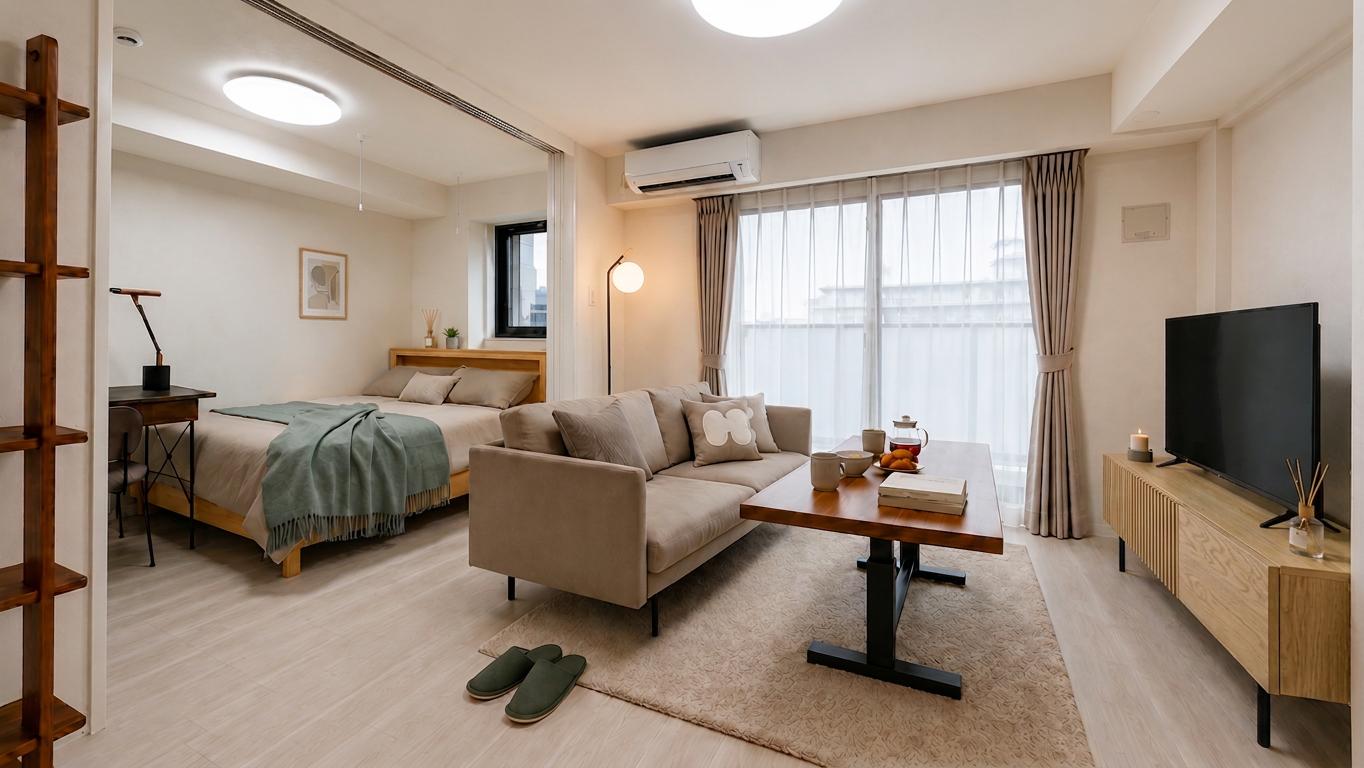
Moving Out of a Japanese Apartment: What You Need to Know
Moving out of a rental home in Japan is not simply a matter of packing boxes and returning the keys. The process usually involves a formal notice, a move-out inspection, final utility arrangements and possible restoration or cleaning charges.
For international renters, understanding the process of moving out of a Japanese apartment can help avoid unexpected costs and deposit disputes. This guide explains the standard steps, and outlines what to expect before your final day.
What Is the Standard Notice Period for Vacating a Rental Unit in Japan?
The notice period is set by your rental agreement, it is vital to check the cancellation or termination clause. In many Japanese rental contracts, tenants must provide at least 30 days’ written notice before moving out. Some contracts require one or two months, particularly for certain furnished, premium or long-term rentals.
According to Tokyo Metropolitan Government guidance, if you provide your moving out notification in Japan late, you may still be charged rent for the remaining notice period. Thus, do not assume your lease ends automatically at expiry, as some leases may renew unless proper notice is given. Check your contract and contact your property manager early if unsure.
How to Move Out of a Rental Apartment in Japan: 6 Key Steps
Step 1: Submit Your Moving Out Notification
Your move-out process begins with formal notice. Most landlords, management companies and rental providers require written notification through a form, tenant portal, email or registered letter. Your notice should usually include your name, property address, move-out date, forwarding address, contact details, preferred inspection date, and bank details for any deposit refund.
If you are moving during March or April, start early. This is one of Japan’s busiest relocation periods because the academic and business year commonly begins in April. Moving companies, cleaning services and new apartments can be in high demand, so booking late may limit your choices or increase costs.
Step 2: Arrange Your New Home and Moving Services
Once your move-out date is confirmed, book a moving company or arrange transport. Compare prices carefully, especially if you have large furniture or appliances.
Do not leave unwanted furniture, mattresses, or appliances in the rubbish area. Bulky waste usually requires advance booking and a disposal fee. Large items such as fridges, washing machines, TVs, and air conditioners may be subject to special recycling rules. Check with your local city or ward office in advance to arrange proper collection or disposal.
Update your address with your employer, school, bank, phone provider, local ward or city office, and other relevant services. If you are leaving Japan, arrange final bills, mail forwarding, and departure procedures in advance.
Step 3: Cancel or Transfer Utilities and Internet
Before moving out, cancel or transfer electricity, gas, water, internet, and other services.
Electricity and water can often be closed online, while gas may require an appointment for a staff member to visit the property.
Keep electricity and water active until after cleaning and the final inspection. For the internet, check the cancellation notice period and return any rented equipment, such as routers or modems. Early cancellation may involve extra fees.
Step 4: Clean and Restore the Apartment
Japanese rentals usually require tenants to return the home in its original condition, known as genjo kaifuku. However, tenants are generally not responsible for normal wear and tear, natural ageing, or damage they did not cause.
Before inspection, remove all belongings, empty cupboards, dispose of rubbish properly, and clean the kitchen, bathroom, toilet, balcony, air-conditioner filters, and rubbish areas. Check your contract for any fixed cleaning fee. Many leases include professional cleaning charges, even if the apartment is left tidy.
Avoid repainting, repairing, or altering anything without approval from the property manager.
Step 5: Attend the Move-Out Inspection
The final inspection, or tachi-ai, is a walkthrough with the landlord, management company, or their representative. It usually happens after your belongings are removed and before you return the keys.
They may check walls, floors, ceilings, windows, fixtures, appliances, air conditioners, furniture, keys, access cards, balconies, and signs of stains, mould, smoke, or damage.
Bring your move-in photos, inventory, and maintenance records. If you disagree with any charge, ask for an itemised written explanation before accepting it.
Step 6: Return Keys and Settle Final Costs
After inspection, return all keys, access cards, mailbox keys, parking passes, and remotes. Keep proof of return, especially if you send them by post. The management company will calculate final rent, utilities, cleaning fees, and any restoration costs. If you paid a deposit, the remaining balance should be returned after deductions.
Check your contract for the deposit refund timeline. If the refund is delayed or unclear, contact the property manager in writing and request an itemised statement.
Japan Move-Out Preparation Checklist
Before moving out, organise your documents, confirm the notice period, and allow enough time for cleaning, moving arrangements and the final inspection.
What’s Next? Plan Your Future Home With Weave Living Tokyo
Once you have completed the move-out process, finding your next home can be simple with Weave Living Tokyo. Whether you are relocating within the city, starting a new role or looking for a more flexible rental arrangement, Weave Living offers furnished apartments and homes in well-connected Tokyo neighbourhoods.
Choose from short- and long-term stay options designed for different lifestyles. Eligible homes include furnishings, appliances, private kitchens, laundry facilities, utilities and high-speed Wi-Fi, helping you settle in without the usual time and cost of arranging multiple services separately.
Ready for your next move? Explore Weave Living Tokyo and find a flexible, furnished home that suits your lifestyle and length of stay.