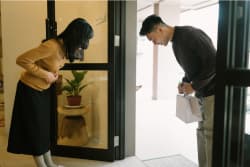
Proper Etiquette Towards Your Japanese Neighbors
Moving into a new home in Japan means joining a shared residential community. Understanding Japanese neighbour etiquette can help international residents settle in smoothly, avoid misunderstandings and build respectful relationships with the people living nearby.
Proper etiquette towards neighbours in Japan is usually based on simple consideration. A polite greeting, careful noise control, correct rubbish disposal and respect for shared spaces can make a meaningful difference, particularly in apartment buildings where residents live close together. This guide covers common Japanese neighbour etiquette practices and practical tips for apartment living.
What Are Common Neighbour Etiquette Practices in Japan?
Tip 1: Offer Simple Greetings
A polite greeting is one of the easiest ways to make a positive first impression. In Japan, it is common to acknowledge neighbours when you meet in a hallway, lift, entrance or around the local area. You do not need to start a long conversation, a smile, nod and simple “hello” are usually appreciated. The aim is not to become close friends immediately. It is to show that you recognise the people around you and want to live considerately.
Common Japanese greetings include:
- “Ohayō gozaimasu” means good morning.
- “Konnichiwa” means hello or good afternoon.
- “Konbanwa” means good evening.
Tip 2: Consider a Move-In Greeting
A move-in greeting, known as hikkoshi no aisatsu, is a traditional Japanese neighbour etiquette practice. It involves briefly introducing yourself to nearby households shortly after arriving.
This custom is more common in smaller buildings and family-oriented neighbourhoods. In larger Tokyo apartment buildings, where residents may value privacy, a simple greeting when you meet may be sufficient.
If you live alone or prefer not to share personal information, it is completely acceptable to keep the introduction brief or skip door-to-door greetings. Your comfort and safety should always come first.
Tip 3: Give a Small Move-In Gift
A small move-in gift is optional, but it can be a thoughtful way to introduce yourself and acknowledge any temporary disruption caused by moving day.
Keep the gift simple, practical and inexpensive. Suitable options include individually wrapped biscuits, packaged snacks, tea, coffee, hand towels, washing-up sponges or small household items. Avoid expensive, highly personal or strongly scented gifts, as these may make neighbours feel obliged to reciprocate.
Tip 4: Keep Noise to a Minimum
Noise control is an important part of proper etiquette towards neighbours in Japanese apartments. Sound can travel easily between homes, especially through walls, floors and shared corridors.
Keep television, music, phone calls and household activities at a considerate level, particularly in the early morning and late evening. Headphones can be useful for music, gaming and video calls.
Avoid vacuuming, moving furniture, running noisy appliances or hosting loud gatherings late at night. If you expect short-term noise from moving, repairs or furniture delivery, informing your neighbours or property manager in advance can be a courteous gesture.
Tip 5: Follow Local Waste Disposal Rules
Waste disposal rules vary between wards, neighbourhoods and apartment buildings. After moving in, check the local rubbish collection calendar and follow your property’s guidance on sorting, collection days and disposal times.
Separate your rubbish properly and place it only in the designated area at the correct time. This may include categories such as burnable waste, non-burnable waste, plastic packaging, cans, glass bottles and cardboard.
Do not leave bulky items, furniture or appliances in the rubbish area. These items often require a separate collection booking and a disposal fee.
Tip 6. Respect Shared Spaces
Shared spaces are an important part of apartment living in Japan. Keep corridors, entrances, stairwells, lifts, bicycle areas and rubbish stations clean, safe and unobstructed.
Avoid leaving shoes, umbrellas, rubbish bags, bicycles, parcels or personal belongings in hallways unless your building specifically allows it. Use bicycle parking, waste areas and shared facilities as instructed.
Respecting common spaces helps create a safer and more pleasant environment for everyone. It also shows consideration for neighbours, delivery staff, visitors and building management teams.
Tip7: Communicate Calmly When Problems Arise
Neighbour issues can happen anywhere, from noise concerns to problems with shared facilities. If an issue arises, avoid direct confrontation where possible.
Contact the building manager, landlord or resident support team so that the matter can be handled appropriately. If you decide to speak with a neighbour directly, remain polite and focus on the practical issue rather than making personal accusations. Calm and respectful communication is more likely to resolve a concern without creating further tension.
Living Considerately With Weave Living Tokyo
A comfortable home is not only reflected in its exquisite interior space, but also in its superior community environment. By adhering to Japanese residential customs and etiquette, residents can collectively create a positive and harmonious living environment.
Weave Living Tokyo offers comprehensive property management services and flexible rental housing options. We are committed to building a respectful and harmonious international community, allowing every resident to find their ideal home in the heart of bustling Tokyo.
Looking for a convenient home in Japan? Explore Weave Living Tokyo and easily integrate into a safe and comfortable home.