Living in Dongdaemun, Seoul: Rent Prices, Transport, and Daily Convenience
Living in Dongdaemun feels a bit like stepping into a Seoul that never pauses, a neighborhood where neon lights, late night snacks, and the constant movement of people blend with quieter cafes and calm residential streets. It is energetic without being overwhelming, historic yet modern, and incredibly convenient for anyone who wants the city at their doorstep.
This guide walks through Dongdaemun’s rent prices, apartment types, commuting, and what daily life really looks like so you can decide whether Dongdaemun fits the lifestyle you are looking for.
Where is Dongdaemun, Seoul?
Dongdaemun sits on the eastern side of central Seoul near Jongno and Jung gu, giving residents fast access to many of the busiest areas in the city. The district grew around Heunginjimun, the Great East Gate of Seoul’s former fortress wall, and that blend of history and modern energy is still easy to see today.
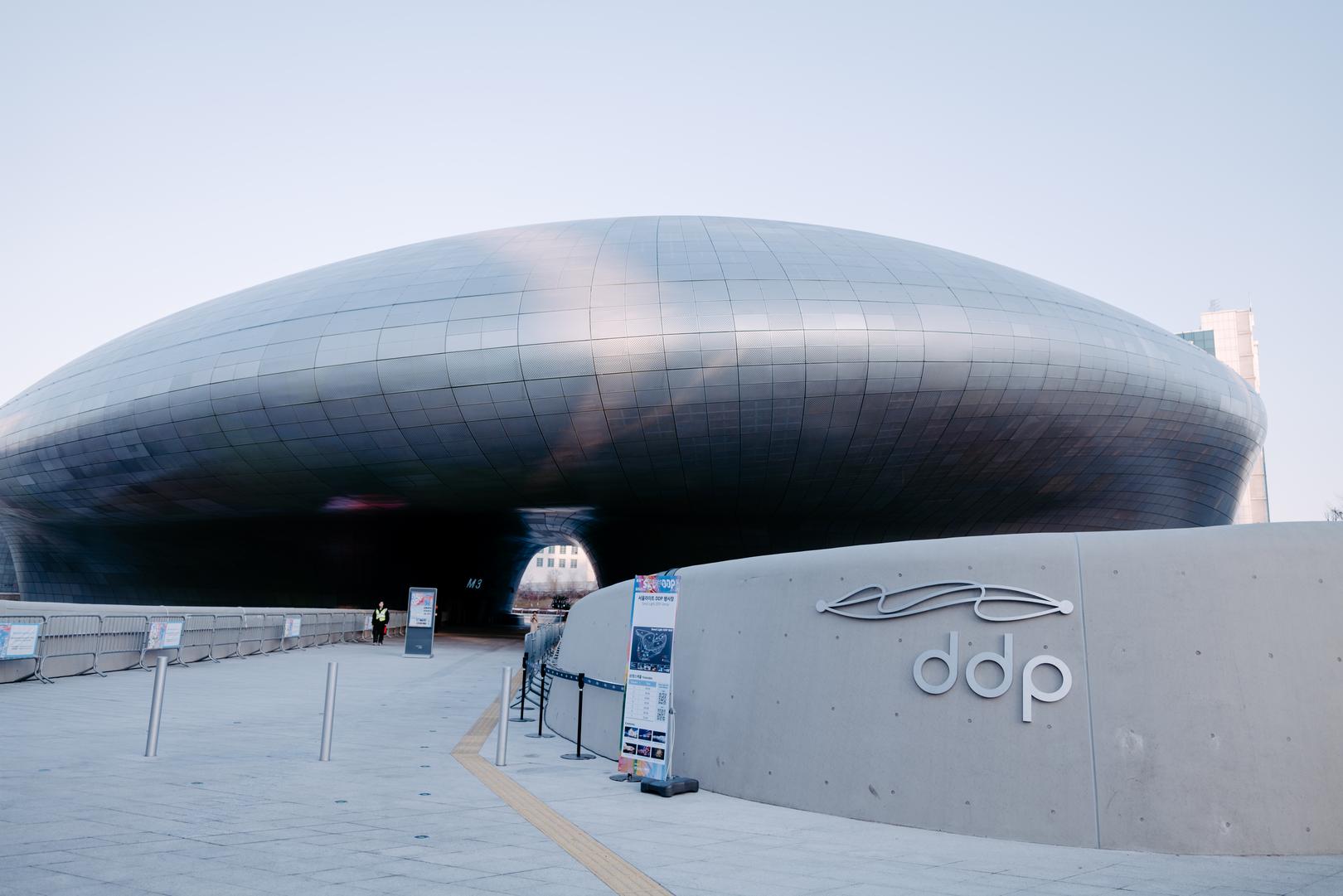
Most people first encounter Dongdaemun as a massive shopping and fashion district filled with wholesale malls, department stores, and brightly lit streets that stay active well into the night. Dongdaemun Design Plaza, with its smooth silver curves, has become a cultural landmark that hosts fashion events, design exhibitions, and nighttime installations.
If you have wondered what Dongdaemun is known for, the answer is simple: fashion, markets, and late night energy. Yet just a few blocks away are quieter alleys, local cafes, and small shops that offer a softer side of the neighborhood.
Apartment Types and Dongdaemun Rent Trends
Many people searching for Dongdaemun’s rent are looking for something central and lively but not as expensive as Gangnam or the trendiest Han River districts. Dongdaemun usually strikes that ideal balance for students, young professionals, and medium term visitors.
Common apartment types in Dongdaemun
Here is what you will usually find:
- One room studios: Compact and practical, great for solo renters who want to save on cost and commute time
- Officetels: Modern interiors, elevators, and sometimes amenities, ideal for professionals or remote workers
- Villas (low rise walk ups): Older buildings with slightly larger layouts but fewer amenities, often good for couples on a budget
- Co living and share houses: Popular with foreigners, digital nomads, and anyone who wants a ready made community
All of these options can work well if you’re planning on living in Dongdaemun for a semester, a work contract, or a year of exploring Seoul.
Typical Dongdaemun’s rent ranges
Prices vary by building age, layout, and location, but Dongdaemun tends to fall slightly below the most premium districts. Across Seoul, one room studios often cost 500,000 to 1,000,000 KRW per month, and Dongdaemun typically sits within that range.
Many rentals still use the Jeonse or semi Jeonse system, meaning higher deposits in exchange for lower monthly rent. Small studios commonly require 5 to 10 million KRW deposits, while newer officetels may ask for more.
Compared with areas like Gangnam, where both deposits and monthly rents can climb steeply, Dongdaemun’s rent often offers more accessible options while keeping you well within the center of the city. That makes it attractive if you’re cost-conscious but still want easy access to work, school, or sightseeing.
Commuting and Transportation Options
If you decide whether a neighborhood works for you by looking at the subway map first, Dongdaemun will make you very happy. From a commuting perspective, it’s one of the city’s most connected areas.
Multiple subway lines thread through and around Dongdaemun, including Lines 1, 2, 4, 5, and 6 at various stations in the wider district. That gives you direct or easy transfer access to major hubs like Myeongdong, Jongno, City Hall, Hongdae, and even Gangnam, usually within a 10–30 minute train ride depending on where exactly you live.
On the surface, a dense network of buses adds more flexibility, especially for short hops to neighboring districts or when the subway is crowded. Late-night and 24-hour buses support the area’s reputation for all-night shopping and dining, meaning you can often get home safely even after the last train.
Sidewalks are also wide around the main roads near DDP and the markets, and crossing between major malls and subway exits is fairly straightforward, although you’ll be weaving through crowds at peak times.
Daily Life and Neighborhood Convenience
Day to day life in Dongdaemun feels like having your own compact city inside the city. Groceries, snacks, cafes, clinics, and gyms are all close by, and many stay open late into the night. A mix of small supermarkets, traditional markets, and convenience stores makes errands simple at nearly any hour. Pharmacies, clinics, and banks are easy to reach, especially near subway stations.
Students and expats appreciate the area for its accessibility to nearby universities such as Korea University, Kyung Hee University, Sungkyunkwan University, and University of Seoul.
Co living spaces and medium term rentals bring a diverse international community, from exchange students to designers and remote workers. The result is a lively but comfortable mix of cultures. Importantly, not every part of Dongdaemun is loud. The blocks around DDP are bright and active, but residential pockets just a few minutes away feel calm and much quieter.
What to Do Near Dongdaemun
Even if you’re not a fashion lover, it’s hard to get bored here. Anyone searching “what to do near Dongdaemun” quickly discovers that this neighborhood is like a live-in entertainment district, with shopping, culture, and food all layered on top of one another.
1. Shopping and fashion
Dongdaemun Fashion Town is one of the largest shopping zones in Korea, filled with retail malls, wholesale shops, and late night shopping centers. You can browse clothes, shoes, and accessories long after other parts of Seoul have gone quiet.
On top of that, Dongdaemun Design Plaza stands out as both an architectural landmark and a cultural hub. It hosts exhibitions, design markets, and big events such as Seoul Fashion Week, drawing in creative communities and curious visitors year-round. It’s a big part of what Dongdaemun is known for, visually and culturally.
2. Food and cafés
Food is another easy answer when people ask what Dongdaemun is known for. You can graze on street food from tteokbokki and hotteok to skewers and quick snacks. Korean BBQ places and local restaurants stay open late, making dinner plans incredibly flexible.
Cafés and dessert shops dot the area, especially in pockets around DDP and quieter side streets. It’s easy to turn a simple coffee run into a mini photo walk, discovering murals, small galleries, and cute storefronts along the way.
3. Culture and walking spots
When you need a break from the shopping crowds, Cheonggyecheon Stream offers a surprisingly peaceful walking route. You can hop onto the stream near Dongdaemun and follow the water toward the city center, passing bridges, art installations, and greenery along the way.
Heunginjimun, the historic gate that gives Dongdaemun its name, anchors the district in Seoul’s past. Standing near the gate, you can see the contrast between old city walls and the ultra-modern lines of DDP, which is very much the “postcard” image of the neighborhood.
So if you’re wondering what to do near Dongdaemun, the lineup is long: all-night shopping, design exhibitions, street food tours, streamside walks, and people-watching in one of the city’s most energetic corners.
Pros and Cons – Is Dongdaemun a Good Place to Stay?
Like any neighborhood, Dongdaemun works brilliantly for some lifestyles and less so for others. Asking “Is Dongdaemun a good place to stay?” is really asking what you want your version of Seoul to look and feel like.
Pros of staying in Dongdaemun
- Central, well-connected location with multiple subway lines and plenty of buses, making commutes and sightseeing straightforward.
- Strong value for money compared with ultra-premium areas: Dongdaemun’s rent is often more accessible than in Gangnam or other high-end districts, while still very central.
- Endless food, shopping, and entertainment options just outside your door, which is ideal if you like a lively, urban lifestyle.
Cons and things to consider
- Parking can be tight and driving stressful around major roads, so car owners may find other districts more comfortable.
- Families or people craving a slower, suburban lifestyle might feel more at home in quieter, more residential areas further from the center.
Who will like Dongdaemun most?
Overall, Dongdaemun is a good place to stay if you value convenience, culture, and late-night energy more than large apartment sizes or total quiet. It’s particularly well-suited to exchange students, creatives, solo travelers on long stays, and remote workers who enjoy having something happening at almost every hour.
How to Rent in Dongdaemun?
Ready to make living in Dongdaemun your reality? Renting here is straightforward if you prioritize flexibility and convenience. Weave Living, a global property brand, offers two standout options in the Dongdaemun area—no big deposits, fully furnished units, and hassle-free management.
Weave Place – Hoegi
Located near Dongdaemun for quick subway access, this co-living spot suits students and professionals.
- Private rooms with shared lounges and kitchens.
- Easy commutes to markets, DDP, and central Seoul.
Weave Studios – Dongdaemun East
Steps from fashion markets and Line 1/5 subways, these private studios fit solo renters and remote workers.
- Modern, furnished layouts with on-site amenities.
- Walk to what to do near Dongdaemun—shopping, food, nightlife.
With Weave Living Seoul, you get central perks without the stress. Making it a smart "yes" if Dongdaemun is a good place to stay for you.