医療ツーリズムの宿泊先選び|ホテルよりサービスアパートメントが向く理由
海外での治療や手術、長期通院、家族の付き添いなど、医療を目的としたツーリズムでは、生活する場所がとても重要になります。数日間の旅行であればホテルでも問題ありませんが、数週間や数ヶ月となると、宿泊環境は生活の質や体調管理にも大きく影響してきます。
医療ツーリズムの宿泊先を検討する際、多くの方がまずホテルを探します。しかし実際には、長期滞在ではホテルよりもサービスアパートメントの方が快適に過ごせるケースが多くあります。治療や療養、通院という「日常生活に近い滞在」になるからです。特に通院の付き添い宿泊の場合、患者本人だけでなく家族も一緒に生活することになります。外食中心の生活、コインランドリー、狭いホテルの部屋での長期滞在は、想像以上にストレスになることがあります。医療滞在では、病院の近さだけでなく、「安心して生活できる環境」が非常に重要になります。
本記事では、ホテルとサービスアパートメントの違いや、医療ツーリズムにおける宿泊先の考え方について詳しく解説します。
サービスアパートメントとホテルの違いとは
ここでよく聞かれるのが、サービスアパートメントとホテルの違いです。この二つの最大の違いは、「宿泊」か「生活」かという点にあります。
ホテルは短期滞在向けに作られており、清掃サービスやフロントサービスなどが充実しています。一方で、キッチンがなかったり、洗濯ができなかったりと、長期滞在には不便な部分もあります。
サービスアパートメントは、家具付きの賃貸住宅とホテルの中間のような存在で、ベッド、ソファ、キッチン、冷蔵庫、洗濯機、Wi-Fiなどが最初から備え付けられています。つまり、スーツケース一つでその日から生活が始められる住まいです。
医療ツーリズムでは、体調に合わせて食事を作ったり、洗濯をこまめに行ったり、静かな環境で休んだりすることが必要になります。そのような生活を考えると、ホテルよりもサービスアパートメントの方が現実的な選択になることも多いのです。
医療ツーリズムの費用と宿泊の考え方
医療ツーリズムの費用というと、多くの方は治療費や手術費をイメージしますが、実は宿泊費や生活費も大きな割合を占めます。特に数週間から数ヶ月滞在する場合、宿泊費の差は大きくなります。
ホテルによってはマンスリープランがある場合もありますが、費用は比較的高い傾向があります。一方、サービスアパートメントは中長期滞在を前提としているため、月額料金や長期割引があり、結果的にホテルより費用を抑えられる場合も多くあります。
また、キッチンがあることで外食費を減らすことができ、洗濯機があることでランドリー費用もかかりません。このように、宿泊費だけでなく生活費全体で考えると、サービスアパートメントの方がトータルコストを抑えられるケースもあります。
医療滞在では、できるだけ治療に集中できる環境を整えることが重要です。宿泊費を抑えながら、安心して生活できる環境を選ぶことが、長期滞在を成功させるポイントになります。
医療滞在では「暮らせる場所」を選ぶという考え方
医療ツーリズムや通院付き添いの滞在では、観光旅行のように毎日外出するわけではありません。むしろ部屋で過ごす時間が長くなります。そのため、宿泊先の広さ、静かさ、生活のしやすさはとても重要になります。
ソファがあって少し休めること、キッチンで温かい食事を作れること、洗濯がすぐできること、落ち着いた空間で過ごせること、付き添いの方がいる場合は部屋を分けてお互いの生活音を気にせず過ごせること。こうした小さな生活の快適さが、長期滞在では大きな違いになります。
シンガポールNovenaエリアで医療滞在するなら
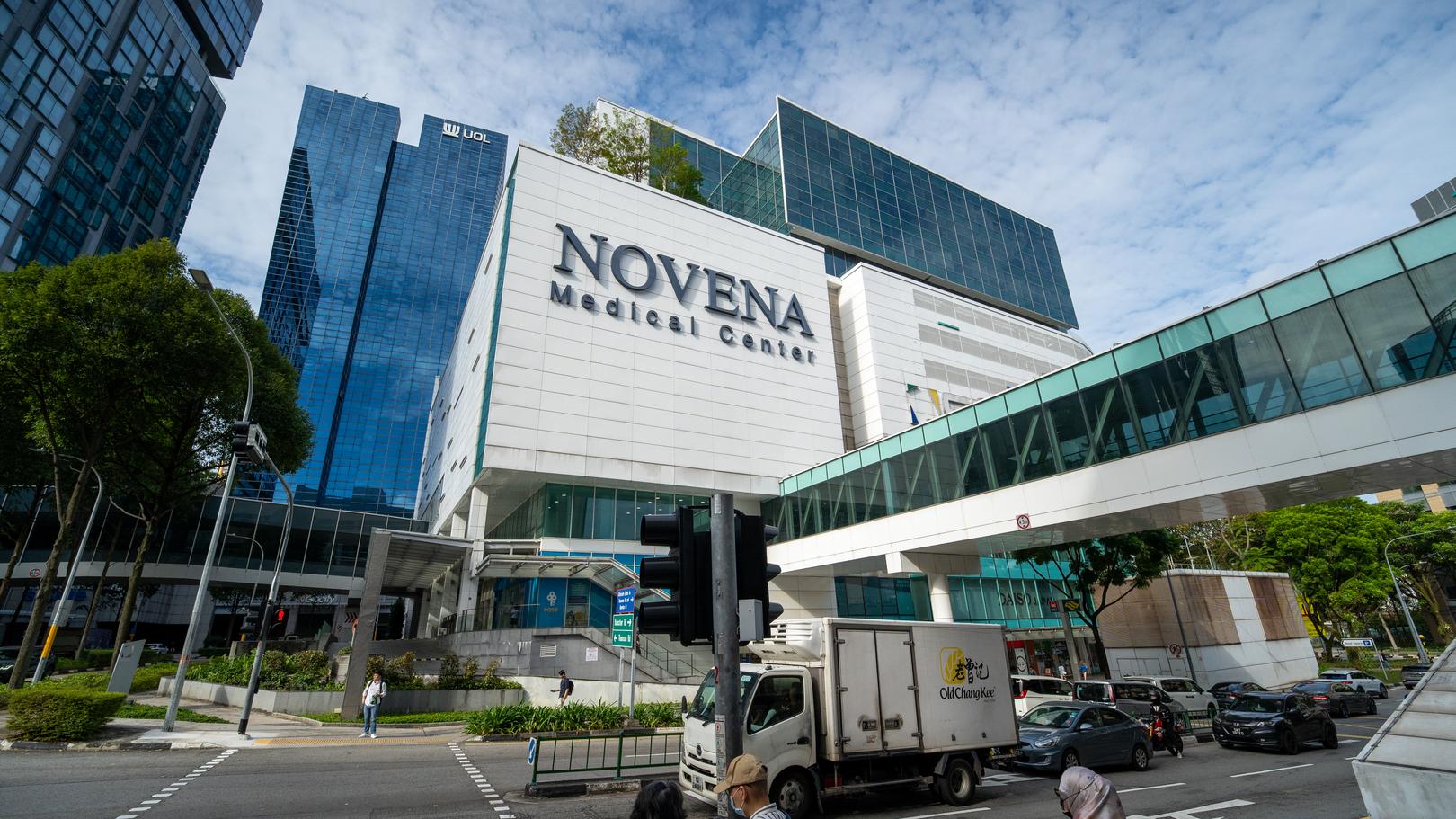
Novena(ノベナ)は、シンガポールでも有数の医療機関が集まる医療エリアとして知られています。Tan Tock Seng Hospitalを中心に、専門病院や医療センター、クリニックが集積しており、海外から医療ツーリズムで訪れる方や、長期通院・療養のために滞在する方も多い地域です。医療機関へのアクセスが良いだけでなく、ショッピングモールやスーパー、カフェなど生活環境も整っているため、医療滞在中でも日常に近い生活を送ることができます。
Weave Suites – Novenaでは、中長期滞在向けのサービスアパートメントをご用意しており、家具・キッチン・洗濯機・Wi-Fiなどが揃った生活環境で滞在することができます。治療や通院の期間も、できるだけ普段の生活に近い環境で過ごしていただけるよう設計されています。
医療滞在は不安や負担も多いものですが、住まいの環境が整うことで、少しでも安心して過ごせる時間を増やすことができます。
まとめ
医療ツーリズムや通院付き添いの滞在では、宿泊先選びはとても重要です。短期滞在であればホテルでも問題ありませんが、数週間以上の滞在になる場合は、ホテルだけでなくサービスアパートメントという選択肢も検討する価値があります。
医療滞在は旅行ではなく生活です。だからこそ、「どこに泊まるか」ではなく、「どこで暮らすか」という視点で滞在先を選ぶことが大切になります。滞在中に安心して生活できる環境を選ぶことが、治療や療養に集中できる環境にもつながります。
Weave Livingでは、中長期滞在向けのサービスアパートメントを沢山ご用意しており、医療ツーリズムや通院付き添いの滞在にも適した住環境を提供しています。海外での医療滞在の住まいをお探しの方は、ぜひ一度ご覧ください。