Cost of living in Japan
Tokyo

The Cost of Living in Japan: A City-Specific Breakdown for Digital Nomads.

Share:
Discover if the cost of living in Japan is affordable for foreigners. Compare major cities’ rent, food, transport, and learn budget-friendly living with Weave Living.

The Cost of Living in Japan: A City-Specific Breakdown for Digital Nomads.

Japan is a country where tradition meets innovation, ancient temples stand beside neon skyscrapers, and bullet trains whisk you across islands in minutes. For digital nomads, it’s a dream destination: reliable internet, safe streets, and endless cultural experiences. But before you dive into sushi and cherry blossoms, let’s answer the big question: How much does it cost to live in Japan?

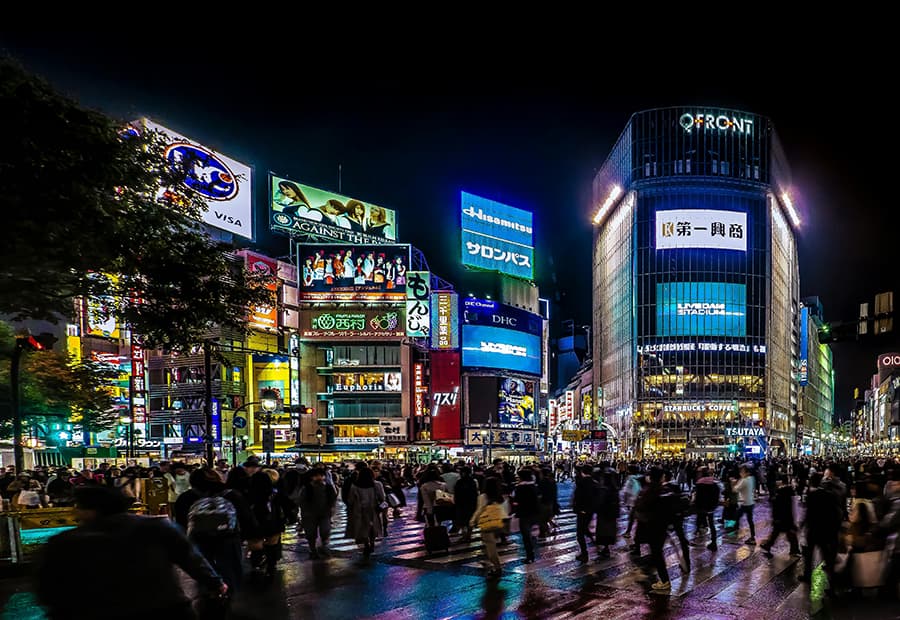
The truth? It depends on your city. Tokyo is the ultimate urban playground, Osaka is a foodie’s paradise, and Fukuoka offers a laid-back vibe at a fraction of the cost. Below, we’ll break down what a typical month looks like in each city—covering rent, food, transport, coworking spaces, and a little fun money.

How Much Does It Cost to Live in Japan? 

If you’re planning your budget, here’s the cost of living in japan for single person that you could expect:

  • Tokyo: ¥250,000–¥300,000 (around $1,700–$2,100)
  • Osaka: ¥170,000–¥200,000 (around $1,200–$1,400)
  • Fukuoka: ¥150,000–¥180,000 (around $1,050–$1,200)


These figures include rent, utilities, food, transport, coworking space fees, and entertainment. Now, let’s explore what life looks like in each city.


Rent Accommodation

Housing is the biggest expense in Japan. Traditional leases in Japan often require a large upfront payment, sometimes 3–6 months’ worth of rent. This includes a refundable deposit, non-refundable “key money” (a cultural custom), and agency fees. For short-term stays, this can be a major barrier.

  • Tokyo: The capital is the most expensive city. A one-bedroom apartment in the city center costs $1,000–$1,200, while moving to the suburbs drops it to $600–$800. 
  • Osaka: Central apartments average $650–$700, and outside the center $450–$500. Osaka offers more space for your money compared to Tokyo, and the vibe is more relaxed.
  • Fukuoka: The most affordable option—$400–$450 in the center, and $350 outside. Fukuoka is increasingly popular among remote workers for its low cost and high quality of life.


Many digital nomads avoid traditional leases and opt for serviced apartments or co-living spaces. These options eliminate hefty deposits and provide flexibility, furnished interiors, and often include utilities and Wi-Fi. Platforms like Weave Living make this process seamless, offering stylish, ready-to-move-in spaces tailored for short or medium stays.


Utilities

Managing utilities and food costs in Japan is straightforward, but there are a few cultural and practical details worth knowing.


Expect to pay $100–$150 per month for electricity, water, and gas. The Internet is usually billed separately, averaging $30–$50/month, and speeds are excellent. Japan is known for reliable fiber connections. One thing to note: heating and cooling can spike your electricity bill in winter and summer, especially in Tokyo apartments with older insulation.


Food

Japan offers a wide range of options, from budget-friendly convenience store meals to high-end dining.

  • Groceries: A single person spends $200–$400/month, depending on diet and whether you buy imported goods. Local produce and seasonal items are affordable, but Western brands can be pricey.
  • Eating Out: Dining out is part of Japanese culture. A casual meal at a ramen shop or izakaya costs $6–$10, while Osaka’s street food (takoyaki, okonomiyaki) is even cheaper at $6–$8. Fukuoka shines for value—hearty meals for $5–$7.
  • Dinner for Two: Expect $40 in Tokyo, $30 in Osaka, and $25 in Fukuoka for a mid-range restaurant.


Convenience stores like 7-Eleven and Lawson are lifesavers for quick, affordable meals, often under $5. Cooking at home saves money, but kitchens in smaller apartments can be compact, so plan for simple meals. Many nomads mix home cooking with occasional dining out to balance cost and experience.


Transportation

Japan’s transportation system is one of the most efficient in the world—clean, punctual, and extensive. For digital nomads, this means you can easily navigate cities without owning a car.

Public Transport Costs:

  • Tokyo: A monthly subway pass costs $70–$100, depending on the zones you travel. Tokyo’s network is vast, so if you commute across multiple lines, expect higher costs.
  • Osaka: More affordable, with passes around $35–$50. The city is compact, and many neighborhoods are walkable.
  • Fukuoka: Passes range from $55–$75, and the city’s smaller size means you’ll spend less time in transit.


Taxis and Ride-Sharing:

Taxis are safe and reliable but expensive in Tokyo ($25–$30 for a short ride). Osaka is slightly cheaper ($20), and Fukuoka offers the best value ($13–$20). Ride-sharing apps like Uber exist but are limited compared to Western countries.


Intercity Travel:

If you plan to explore beyond your base city, Japan’s Shinkansen (bullet train) is fast but pricey. A one-way ticket from Tokyo to Osaka costs around $120–$140. For frequent travelers, the JR Rail Pass is unlimited travel for a fixed price, ideal for nomads who want to see more of Japan.


Coworking Spaces

Japan’s coworking culture has exploded in recent years, fueled by startups, freelancers, and remote workers.


Costs by City:

  • Tokyo: Expect $250–$350/month for a hot desk in central areas like Shibuya or Roppongi. Premium spaces often include private booths, meeting rooms, and even phone pods for calls.
  • Osaka: More affordable at $150–$250/month, with vibrant spaces near Namba and Umeda. Many offer networking events and workshops, perfect for building connections.
  • Fukuoka: The most budget-friendly option at $120–$180/month, often with a strong sense of community and local startup culture.


Entertainment

Japan offers endless ways to unwind, but how much should you budget for fun?

  • Nightlife & Dining: Tokyo’s entertainment scene is vibrant but pricey. A night out in Shibuya or Roppongi can easily cost $50–$100, including drinks and cover charges. Osaka is more wallet-friendly, with izakayas and street food stalls offering a lively atmosphere for $30–$50. Fukuoka is the most affordable, where you can enjoy local bars and ramen shops for $20–$40.
  • Cultural Activities: Museums, temples, and gardens often have modest entry fees—usually $5–$10. Seasonal festivals are free and a great way to immerse yourself in Japanese culture. In Tokyo, expect to pay more for premium experiences like tea ceremonies or sumo matches ($30–$80).
  • Fitness & Hobbies: Gym memberships range from $50–$80/month, and yoga or language classes can add another $40–$60. Many coworking spaces host social events, which are often included in your membership.


In fact, Japan is full of free cultural events and seasonal festivals, perfect for saving money while immersing yourself in authentic experiences. As a digital nomad, these are opportunities you simply can’t miss.

Is the Cost of Living in Japan Affordable for Foreigners?

Japan’s cost of living varies by city, but with smart budgeting, it’s more accessible than you might think. Tokyo ranks among the highest, offering a vibrant lifestyle full of cultural experiences and modern conveniences. Yet, it’s still less expensive than cities like New York or major European capitals.


For digital nomads, the average cost of living in Japan per month with rent ranges differently. With careful planning like choosing flexible rentals, cooking at home, and using public transport, you can enjoy a comfortable life without overspending.


Looking for Hassle-Free Living?

Skip the stress of deposits and long-term leases. Weave Living offers fully furnished apartments and co-living spaces designed for flexibility and convenience. Enjoy stylish interiors, high-speed Wi-Fi, and a ready-made community, all perfect for digital nomads.


Start your Japan journey with Weave Living Tokyo today!